
Underfloor Heating and Natural Stone: What to Consider
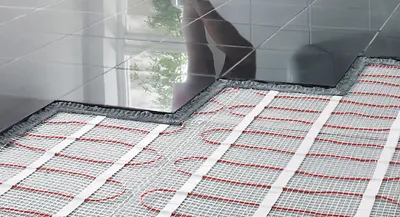
Natural stone—whether marble, travertine, limestone or granite—is one of the most suitable flooring materials for underfloor heating systems. Its high thermal conductivity allows heat to pass through efficiently, creating a warm and comfortable surface. However, proper installation techniques and product selection are essential to ensure long-term stability and performance.
This guide explains the key points to consider when combining Turkish natural stone with underfloor heating, particularly for residential, hotel and commercial projects. For a broader look at material choices, see Choosing Between Marble, Travertine, Limestone and Granite.
Why Natural Stone Works Well with Heated Floors
Compared to many other materials, natural stone transfers heat quickly and evenly. Turkish marble, travertine and limestone are particularly effective due to their density and structure. This makes them ideal for:
- Luxury apartments and villas
- Hotels and spa complexes
- Bathrooms, hammams and wellness areas
- Large-format living spaces
Key Considerations Before Installation
1. Correct Stone Thickness
Stone that is too thick may slow down heat transfer. Typical recommendations can be found in Stone Thickness Recommendations. For heated floors, many projects use:
- Marble & limestone: 12–20 mm
- Travertine: 12–15 mm (filled and honed recommended)
2. Proper Substrate & Adhesives
A fully bonded installation is essential. Hollow spots cause uneven heating and may lead to cracking. Always use flexible adhesives designed for heated substrates. Learn more in: Substrates and Adhesives for Natural Stone.
3. Movement Joints
Heated floors expand and contract more than standard installations. Movement joints prevent stresses from causing tenting or cracks. For deeper technical detail, see: Grout & Movement Joints in Stone Floors.
4. Surface Finish Selection
Polished marble feels luxurious but may be slippery in bathrooms. Honed or brushed surfaces provide better traction, especially when warm. Learn more in Understanding Natural Stone Finishes .
5. Avoiding Moisture Issues
Moisture trapped beneath stone can create steam pressure once the floor is heated. Make sure the screed is fully cured and tested for moisture before installation. Related reading: Porosity & Moisture in Natural Stone.
Which Turkish Stones Perform Best?
Most Turkish stones perform well, but popular choices include:
- Mugla White marble for bright, modern interiors
- Afyon Sugar marble for classic luxury spaces
- Beige marbles such as Burdur Beige or Bilecik Beige
- Travertines from Denizli, especially honed and filled
- Dense limestones such as Limra for uniform heat distribution
You can explore materials at the main Atlas Natural Stones product page.
Conclusion
Underfloor heating and natural stone are a perfect match—when installed correctly. With proper thickness, adhesives, joint planning and moisture control, a heated marble or travertine floor can offer unmatched comfort and long-term durability.
For further advice and stone selection support, visit the Natural Stone Academy or reach out through our contact page.
Explore Premium Turkish Natural Stones
Find the ideal marble, travertine, limestone, granite or onyx for your heated floor project.
Quick Contact
Send us your project details or questions and we’ll reply quickly.