
Grout Joints and Movement Joints in Stone Floors
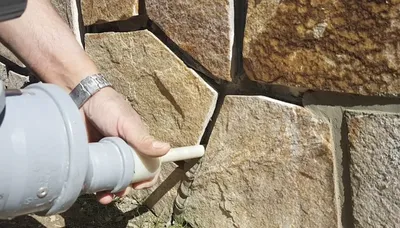
When installing marble, travertine, limestone, granite or other natural stones, proper planning of both grout joints and movement joints is essential. These joints help prevent cracking, tenting, lippage issues, and long-term structural failure. Even the highest-quality materials sourced from Turkey—such as premium Turkish marbles, Denizli travertine, or Limra limestone—require correct installation techniques to perform as intended.
Why Grout Joints Are Necessary
Natural stone is a dimensionally stable but not perfectly uniform product. Even first-grade stone selections have minor variations in thickness and size. Grout joints accommodate these tolerances while allowing installers to set the tiles precisely.
Typical grout joint widths for stone floors range from 2 mm to 4 mm, depending on the tile size, finish, and expected traffic. Narrow joints look more elegant for polished marble, while slightly wider joints improve durability in public spaces such as hotels, malls and airports.
Movement Joints: The Most Overlooked Requirement
Unlike grout joints, movement joints are intentional breaks in the flooring system that absorb structural and thermal expansion. Without them, floors made from marble, limestone or granite can buckle or crack—especially in sun-exposed or large open areas.
Industry standards generally recommend:
- Movement joints every **5–7 meters** in interior installations.
- More frequent spacing for exterior areas or heated floors.
- Perimeter joints along walls, columns, and fixed structures.
If you are planning a project with mixed materials (e.g., marble and travertine), remember that different stones expand at different rates. A proper joint layout will protect the system for the long term.
Choosing the Right Sealant and Joint Filling
Movement joints must be filled with a flexible material—typically polyurethane or silicone sealant— while grout joints use cement-based or epoxy grout. When in doubt, consult your stone supplier or project supervisor.
You can also refer to related technical topics such as: stone thickness recommendations and dimensional tolerances for stone tiles.
Conclusion
Correct planning of grout joints and movement joints ensures that your Turkish natural stone surfaces remain beautiful and durable for decades. Whether you're using marble, travertine, limestone or granite, these installation fundamentals are essential for every project.
For product selection guidance, you can always return to the Atlas Natural Stones product range or contact us directly.
Explore Our Full Range of Turkish Natural Stones
Browse premium marble, travertine, onyx, limestone, granite and other Turkish stones available as slabs, tiles and cut-to-size.
Quick Contact
Send us your project details or questions and we’ll get back to you quickly.