
Understanding Natural Stone Finishes: Polished, Honed, Brushed & Tumbled
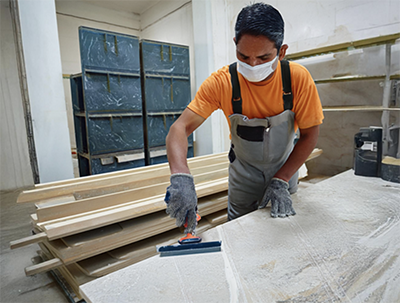
When specifying marble, travertine, limestone or granite, the choice of finish is just as important as the choice of stone itself. The finish affects not only the appearance of the material, but also slip resistance, maintenance and how the natural stone ages over time.
This article focuses on four of the most common architectural finishes: polished, honed, brushed and tumbled. All of them are frequently used on Turkish marble and travertine supplied by Atlas Natural Stones, Inc. For a broader overview of stone families, you can also read Introduction to Turkish Natural Stones: Marble, Travertine, Onyx, Limestone & Granite.
1. Polished Finish: High Gloss and Maximum Color Depth
A polished finish is achieved by mechanically grinding and buffing the surface of the stone until it develops a high gloss. This finish enhances the color and veining of marble and onyx, making stones like Afyon White, Mugla White and Milas Lilac look especially vibrant.
- Typical stones: marble, onyx, some granites and dense limestones
- Best areas: hotel lobbies, reception areas, wall cladding, vanity tops
- Considerations: lowest slip resistance when wet; visible scratches on dark colors
Polished marble floors are often used in representative entrance halls and lobbies, where the goal is to show a luxurious, reflective surface. For more on different Turkish marble options suitable for polished finishes, see the Guide to Turkish Marble Types for Global Projects.
2. Honed Finish: Matte and Practical for Many Applications
A honed finish is smooth but not glossy. The stone surface is ground to a flat, matte or satin sheen, with almost no reflection. Honed marble, travertine or limestone offers a more understated look, and it tends to show scratches less than polished surfaces.
- Typical stones: marble, travertine, limestone, granite
- Best areas: residential and commercial floors, bathrooms, wall cladding
- Considerations: better slip resistance than polished, but still needs sensible detailing in wet zones
Many architects specify honed finishes for beige marbles such as Bilecik, Burdur and Antalya in large floor areas. You can read more about these stones in Beige Marbles from Turkey: Bilecik, Burdur, Antalya & More.
3. Brushed Finish: Soft Texture and Subtle Relief
A brushed finish is created by using mechanical brushes to wear down the softer parts of the stone. This produces a gently textured surface with a slightly aged or “leathered” feel. On travertine and some marbles, brushing highlights the natural structure and movement of the material.
- Typical stones: travertine, some marbles and limestones, selected granites
- Best areas: indoor floors, terraces with roof cover, feature walls
- Considerations: more texture than honed; dirt can accumulate if maintenance is neglected
Brushed travertine is often used together with tumbled or honed pieces in mixed layouts, especially in French pattern travertine terraces and pool decks. The finish works well on Denizli Classic, Noce and Silver travertine, which you can discover in detail in the article Denizli Travertine Overview: Classic, Noce, Silver, Ivory & Walnut.
4. Tumbled Finish: Aged Edges and Rustic Character
A tumbled finish gives stone tiles a worn, antique-like appearance. Tiles are placed in a drum with abrasives and water, softening edges and corners and slightly distressing the surface. The result is a rounded, rustic look that suits traditional or Mediterranean-style designs.
- Typical stones: travertine, some limestones and marbles
- Best areas: patios, pool surrounds, garden paths, rustic interiors
- Considerations: more joints and texture; strong character that defines the design
Tumbled ivory and noce travertine from Turkey is popular in exterior terraces and around pools because of its natural grip and classic appearance. Many of these materials are listed on the main Products page under travertine and paving stone categories.
5. Matching Finish to Area and Stone Type
When choosing between polished, honed, brushed and tumbled finishes, consider the following questions:
- Is the area interior or exterior, and will it be frequently wet?
- Is the space representative (lobby, reception, showroom) or more functional?
- How much texture can be tolerated for cleaning and maintenance?
- Which finish works best with the chosen stone type and color family?
For example, polished marble may be ideal in a hotel lobby, while honed or brushed travertine could be more appropriate in exterior walkways. A balanced project might use multiple finishes strategically, as shown in many of the references in our Projects section.
6. Other Exterior Finishes and Next Steps
For heavy-duty exterior areas and paving stones, additional finishes such as sandblasted, bush-hammered and flamed are used to increase slip resistance and durability. We cover these more technical surfaces in the related article Sandblasted, Bush-Hammered & Flamed Finishes for Exterior Stone.
If you are preparing a specification for a project using Turkish marble, travertine, limestone or granite, Atlas Natural Stones, Inc. can help you combine the right stone type and finish for each zone. You can start with the overview of materials on our Products page and then send your questions via the contact form.
Need Help Selecting the Right Finish for Your Stone Package?
Atlas Natural Stones, Inc. can recommend polished, honed, brushed and tumbled finishes for each area of your project, based on traffic, slip resistance and design goals.