
Substrates and Adhesives for Installing Natural Stone
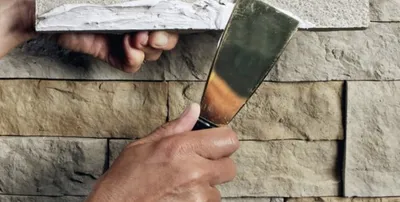
Even the best Turkish marble, travertine, limestone, basalt or granite can fail on site if it is installed on the wrong substrate or with unsuitable adhesives. Understanding the basics of bedding conditions and bonding materials is essential for long-lasting natural stone floors and walls.
This article focuses on practical considerations for architects, contractors and distributors working with imported stones from Turkey. For a broader material overview, see our Introduction to Turkish Natural Stones and our guide on slabs, tiles and cut-to-size formats.
1. Suitable Substrates for Natural Stone
Natural stone is rigid and relatively brittle. It requires stable, well-prepared substrates. Typical options include:
- Cement screeds with adequate curing time and strength
- Concrete slabs with surface preparation and leveling
- Calcium sulfate screeds (anhydrite) with correct moisture content
- Waterproofed substrates in bathrooms, hammams and wet areas
- Rendered masonry walls or suitable board systems for cladding
Substrates must be flat, clean, free of dust, oils and loose particles. Movement joints in the structure should be respected and transferred through the stone layer. For guidance on joint layout, you can also read Grout Joints and Movement Joints in Stone Floors.
2. Moisture and Porosity Considerations
Moisture in the substrate can migrate into the stone and adhesive. This is particularly important for more porous materials like travertine and some limestones, and for moisture-sensitive marbles.
Before installation, check:
- Residual moisture of screeds and slabs
- Presence of rising damp or lack of vapor barriers
- Compatibility of waterproofing membranes with selected adhesives
For deeper background, see Porosity, Absorption & Moisture in Natural Stone and Moisture-Sensitive Stones & Container Ventilation.
3. Choosing Adhesives for Marble, Travertine & Limestone
Adhesives must be compatible with both the substrate and the natural stone. Common systems include:
- Cement-based tile adhesives with deformability (C2, S1, S2 classes, depending on standards)
- White adhesives recommended for light-colored marbles and onyx to avoid staining
- Rapid-setting products where shorter commissioning times are needed
- Epoxy or reactive adhesives for special substrates or chemical exposure
When specifying adhesive, always follow the manufacturer’s data sheets, especially on:
- Maximum tile size
- Open time and pot life
- Minimum and maximum bed thickness
- Recommended substrate types
4. Full Coverage and Back-Buttering
For large-format marble and limestone tiles, full adhesive coverage is essential. Voids behind tiles can lead to cracking or sound issues. Best practice is:
- Use an appropriate notched trowel on the substrate
- Back-butter the stone pieces, especially for large formats
- Check coverage by lifting tiles in different areas
This is especially important for exterior cladding, balconies and terraces where water can accumulate. If you are planning exterior walls, also refer to Exterior Wall Cladding with Limestone, Marble and Travertine.
5. Substrate Movement and Deformation
Natural stone flooring or cladding performs best on stable substrates. Excessive deflection, vibration or thermal movement can create stress and cracks. To minimize risk:
- Respect movement joints in screeds and slabs
- Introduce perimeter and intermediate joints in large areas
- Use deformable adhesives over substrates prone to minor movement
These details are important whether you install Turkish marble in hotel lobbies, travertine on pool decks or granite in high-traffic commercial floors.
6. Coordinating with Your Stone Supplier
A good Turkish natural stone supplier will support not only the choice of marble, travertine, limestone or granite, but also advise on thickness, formats and recommended bedding methods. When you send your drawings and specifications to Atlas Natural Stones, Inc., we can highlight areas where adhesive selection and substrate preparation are critical.
To explore available materials first, visit the main Products page or review our technical articles like Stone Thickness Recommendations and Dimensional Tolerances for Stone Tiles.
Need Help Matching Stone, Substrate and Adhesive?
Share your project drawings, substrates and intended use. We will propose suitable Turkish marble, travertine, limestone or granite along with practical installation notes.