Porosity, Absorption & Moisture in Natural Stone
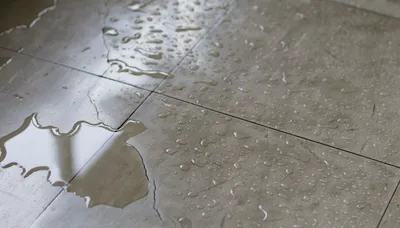
When specifying Turkish marble, travertine, limestone, granite or onyx, it is essential to understand porosity, water absorption and moisture behavior. These properties influence durability, stain resistance, slip resistance and long-term appearance in both interior and exterior projects.
As a natural stone supplier and exporter, Atlas Natural Stones, Inc. regularly advises architects and contractors on which stones are suitable for wet areas, façades or heavy-traffic floors. For a broader overview of available materials, see Introduction to Turkish Natural Stones.
1. What Is Porosity in Natural Stone?
Porosity is the volume of open spaces (pores) within the stone. Highly compact materials such as many granites have low porosity, while travertine and some limestones have higher porosity. Among Turkish stones:
- Marble (e.g. Afyon White, Mugla White, Bilecik Beige) is generally medium to low porosity.
- Travertine (Denizli Classic, Noce, Silver, Ivory) is usually more porous, especially when unfilled.
- Limestone and dolomite (including Limra) vary from low to medium porosity.
- Granite tends to have low porosity, offering good resistance to staining.
- Onyx is dense but can be sensitive to moisture and chemicals, requiring careful detailing.
Understanding porosity helps you decide on the right finish, thickness and sealing strategy when browsing our stone products.
2. Water Absorption Values
Water absorption is usually expressed as a percentage of the stone’s dry weight. Typical ranges are:
- Dense marble and granite: often below 0.5%–1.0%
- Many limestones: 0.5%–3.0% depending on structure
- Travertine: can be higher, especially before filling the holes
For exterior cladding, pool areas and public plazas, absorption values must be considered together with slip resistance and freeze–thaw conditions. Our role as a Turkish stone exporter is to match the correct material and finish with your climate and usage.
3. Moisture Behavior in Different Applications
Bathrooms & Wet Areas
In bathrooms, hammams and spa zones, marble and travertine are widely used for floors, walls and benches. Their porosity requires proper waterproofing of substrates, correct adhesives and high-quality sealers. For layout ideas, see Natural Stone in Bathrooms, Hammams and Wet Areas.
Façades & Exterior Cladding
On façades, moisture movement inside the stone and behind the cladding can affect anchors, fixings and thermal performance. Limra limestone and other Turkish limestones perform very well when detailed correctly. For façade concepts, you can also explore Exterior Wall Cladding with Limestone, Marble and Travertine.
Landscaping & Paving
For landscaping and paving, Turkish travertine, basalt, andesite, slate and diabase are common choices. Their porosity and absorption impact drainage, algae growth and maintenance cycles. You can see more on material choices in Basalt & Andesite Paving Stones from Turkey and Slate, Diabase & Hard Landscaping Stones from Turkey.
4. Role of Finishes and Sealers
The exposed surface finish—polished, honed, brushed, tumbled, sandblasted or bush-hammered—changes how quickly water enters and leaves the stone. Rougher textures may absorb more surface water but can also improve slip resistance.
For a deeper understanding of finish types, read Understanding Natural Stone Finishes and Sandblasted, Bush-Hammered & Flamed Finishes for Exterior Stone.
Professional-grade impregnating sealers help reduce staining risk and moisture penetration, especially on light-colored Turkish marble and travertine.
5. Specifying Porosity & Absorption in Your Project
When you send your material schedule to Atlas Natural Stones, Inc., we can recommend stone types and finishes based on expected exposure to water and moisture. Combined with other technical aspects such as stone thickness recommendations and dimensional tolerances for tiles, this ensures a durable and predictable result.
If you are at concept stage, you can start with a high-level review of materials on the main site or go straight to the Products page to see Turkish marble, travertine, limestone, granite and onyx options.
Need Help Choosing Stones for Wet or Exterior Areas?
Share your drawings and material list. We will propose suitable Turkish marble, travertine, limestone, granite and onyx, taking porosity, absorption and moisture exposure into account.