
Stone Thickness Recommendations for Floors, Walls & Countertops
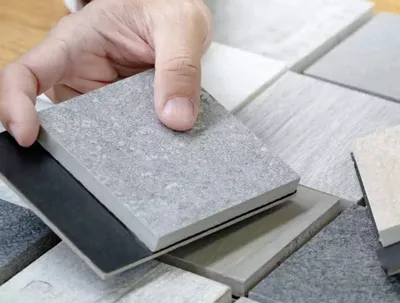
Choosing the correct stone thickness is essential for ensuring structural stability, installation quality and long-term performance. Whether you're working with Turkish marble, travertine, granite, limestone or decorative onyx, the thickness affects weight, cost, handling, durability and design aesthetics.
Below is a practical guide used by architects, contractors and international natural stone suppliers. For a broader understanding of Turkish natural stones, you can read Introduction to Turkish Natural Stones.
1. Recommended Thickness for Flooring
Flooring is the most common application for Turkish marble, travertine and limestone. Typical recommendations:
- 10–12 mm tiles – Residential areas, light-traffic spaces.
- 15 mm tiles – Hotels, commercial interiors, lobby floors.
- 20 mm slabs – High-traffic public areas, malls and airports.
- 30 mm slabs – Heavy-use commercial or exterior walkways.
Harder stones such as granite and basalt can perform exceptionally well at thinner dimensions, while softer materials like travertine often require increased thickness depending on finish (filled or unfilled).
2. Wall Cladding Thickness
Wall applications allow for thinner materials since weight-bearing is minimal:
- 10–12 mm – Standard interior marble or limestone wall tiling.
- 15 mm – Large-format panels in lobbies or corridors.
- 20 mm – Exterior façades, especially in ventilated stone systems.
For façade-grade stones such as Limra Limestone, also see: Limra Limestone: Reference Stone for Facades.
3. Countertops & Vanity Tops
Countertop applications usually require thicker materials:
- 20 mm marble or granite – Standard for kitchens and bathrooms.
- 30 mm marble or granite – Premium installations, long spans, waterfall edges.
- 40 mm+ – Laminated edges for a heavier architectural look.
Granite is frequently preferred for kitchen tops, but Turkish marbles such as Mugla White, Aegean Burgundy and Tundra Grey are increasingly used in luxury residential interiors. Browse available materials at the Products page.
4. Decorative Onyx Applications
Onyx is softer and more fragile than marble and usually benefits from:
- 20 mm slabs for backlit walls.
- 15 mm panels when mesh-backed.
- Bookmatched feature walls, explained in Bookmatched Marble & Onyx Feature Walls.
For more on onyx families, see Honey, White & Green Onyx from Turkey.
5. Exterior Stone Thickness
Outdoor installations require superior durability:
- 20–30 mm travertine or marble for patios and terraces.
- 30–50 mm basalt or andesite for paving and streetscapes.
See details in Basalt & Andesite Paving Stones.
6. Factors That Influence Thickness
Thickness is influenced by:
- Stone type (marble vs. granite vs. onyx)
- Surface finish (polished, honed, brushed, tumbled)
- Installation method (adhesive vs. mechanical fixing)
- Traffic level and load-bearing needs
For understanding how finishes affect strength, read Natural Stone Finishes Explained.
7. Conclusion
Selecting the right stone thickness is essential for long-term performance. Whether you are specifying materials for a luxury villa, hotel lobby, commercial mall or exterior plaza, Atlas Natural Stones, Inc. can guide you with project-based recommendations and options suited for your budget.
For design direction, technical clarifications or export quotations, feel free to contact us via the Contact page or explore more stone categories in Products.
Need Help Choosing the Right Stone Thickness?
Send us your drawings, schedules or BOQs. We will recommend the ideal thickness for your marble, travertine, limestone or granite application.