
Dimensional Tolerances and Standards for Stone Tiles
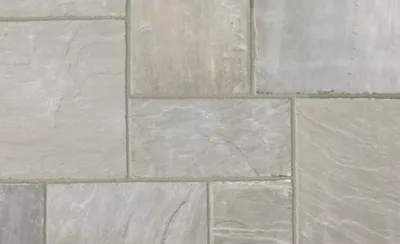
Natural stone tiles—whether marble, travertine, limestone, granite or onyx—are manufactured with specific dimensional tolerances that ensure proper installation and aesthetic consistency. International standards help architects, contractors and stone suppliers maintain consistent quality across projects.
Understanding these tolerances is essential when ordering tiles from a Turkish stone exporter. For an overview of all major stone categories, you may also read: Introduction to Turkish Natural Stones.
1. Length & Width Tolerances
Standard tolerances differ based on finish, stone type and format:
- ±1 mm for high-quality polished marble tiles
- ±1.5 mm for honed or brushed limestone and travertine
- ±2 mm for tumbled travertine or rustic finishes
- ±1 mm for granite tiles (due to higher density)
Dimensional accuracy is especially important when using large-format stone tiles or continuous patterns.
2. Thickness Tolerances
Thickness variation influences the flatness of the finished floor and must be controlled according to intended use. Typical tolerances:
- ±1 mm for 10–12 mm marble tiles
- ±1 mm for 15 mm travertine or limestone
- ±2 mm for thicker 20 mm exterior tiles
More thickness guidance is available in Stone Thickness Recommendations.
3. Flatness & Warpage
Flatness tolerance ensures that adjacent stone tiles align without noticeable steps or lippage. Polished marble tiles require much tighter control than tumbled stones:
- 0.3–0.5 mm maximum warpage for polished marble tiles
- 0.7 mm for honed limestone
- 1.0 mm for rustic travertine
For patterned floors such as herringbone or French pattern travertine, flatness is critical—see Patterns & Layouts for Stone Floors.
4. Squareness & Edge Tolerances
Squareness ensures that all corners form perfect 90° angles:
- 0.5–1 mm deviation allowed for most marble tiles
- 0.7–1.5 mm for travertine or limestone
Perfect squareness is especially important for bookmatched marble installations—see Bookmatched Marble & Onyx Feature Walls.
5. Surface Quality Standards
Common acceptance criteria include:
- No cracks or structural defects
- Minimal resin lines (if used for repair)
- Consistent polish level across all tiles
- Uniform color and veining within tolerance
To learn how surface finishes affect tolerances, visit Natural Stone Finishes Explained.
6. Why Dimensional Tolerances Matter
Choosing compliant Turkish stone tiles helps prevent installation issues, reduces trimming, improves alignment, minimizes lippage and ensures a more premium final appearance—especially for luxury marble flooring or wall cladding.
If you are specifying tiles for a commercial or residential project and want support evaluating tolerances, you can reach us via the Contact page or browse available materials at Products.
Need Tile Quality or Tolerance Guidance?
We help architects and contractors evaluate tile dimensions, finishes and suitability for their projects.