
Moisture-Sensitive Stones and Container Ventilation
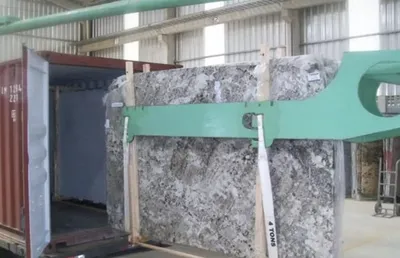
During international shipping, natural stone materials—especially marble, travertine, limestone and onyx—can be exposed to varying humidity levels inside sea containers. These changes may cause condensation, warping, staining or salt migration on moisture-sensitive stones. Understanding how proper container ventilation works is essential for architects, contractors and importers receiving Turkish stone materials.
As a supplier and exporter of Turkish natural stones, Atlas Natural Stones ensures correct packing, moisture control and ventilation procedures to protect your materials during transit. This article explains why certain stones are moisture-sensitive and how to minimize humidity risks.
Which Stones Are Most Sensitive to Moisture?
While all natural stones are porous to some degree, certain materials absorb moisture more quickly:
- Limestone and dolomite (high porosity)
- Travertine (open pores, especially unfilled)
- Onyx (sensitive to humidity changes)
- Light-colored marbles such as Afyon White and Mugla White
Learn more about stone porosity in Porosity, Absorption & Moisture in Natural Stone.
How Condensation Forms Inside Containers
Condensation occurs when warm, humid air meets the cooler steel surface of a container. If the stone was packed in a humid environment or the cargo crosses multiple climate zones, moisture can accumulate—especially on wooden crates or directly on stone surfaces.
Proper packing methods and climate preparation help minimize the risk. For more insight on export procedures, read Step-by-Step Overview of Exporting Turkish Marble.
Best Practices for Moisture Control
To keep Turkish marble and travertine safe during overseas shipping, exporters apply several techniques:
- Ventilated containers for moisture-prone cargo
- Desiccant bags placed inside bundles and crate interiors
- Plastic wrapping to create a vapor barrier
- Kiln-dried wooden crates to reduce moisture absorption
- Ventilation protocols based on climate zones along the shipping route
Handling moisture-sensitive stones also requires correct loading procedures. See Container Loading Methods for Slabs and Tiles.
Special Considerations for Slabs vs Tiles
Slabs, especially polished marble and onyx slabs, are more sensitive to humidity because the condensation can settle between slab surfaces during stacking. Tiles absorb moisture faster but dry more easily when unpacked.
For more about formats, read Slabs vs Tiles vs Cut-to-Size Pieces.
Receiving Moisture-Sensitive Stone on Site
Once the container arrives at its destination:
- Inspect crates immediately upon opening.
- Allow materials to acclimate to ambient humidity.
- Do not install wet or damp limestone, travertine or onyx tiles.
- Dry slabs thoroughly to avoid adhesive failure or discoloration.
For best practices, see Receiving and Storing Stone Deliveries on Site.
Conclusion
Moisture management is a critical component of international stone logistics. With proper ventilation, desiccant use and packing methods, Turkish marble, travertine and limestone can be shipped safely across any climate. Understanding how condensation forms—and how to prevent it—helps ensure your materials arrive in perfect condition.
Explore our full range of moisture-sensitive and durable Turkish stones on the Products page, or learn more through the Natural Stone Academy.
Need Moisture-Safe Turkish Stone Materials?
We ensure proper packing, ventilation and secure logistics for global marble and natural stone shipments.
Quick Contact
Send us your project details or stone requirements.