
Life Cycle of Marble, Travertine & Limestone in Buildings
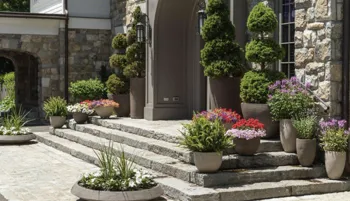
The life cycle of natural stone is one of its greatest strengths. Materials such as Turkish marble, travertine and limestone offer durability, longevity and sustainability unmatched by most engineered or manufactured alternatives. Understanding the full life cycle—from quarrying to installation and eventual reuse—helps architects, contractors and developers make informed decisions for long-lasting projects.
For a foundation in stone types, see: Introduction to Turkish Natural Stones.
1. Extraction & Block Selection
The life cycle begins in Turkish quarries, where blocks of marble, travertine and limestone are extracted through controlled and environmentally responsible methods. Skilled quarry teams select blocks based on structure, color uniformity, vein direction and project requirements.
Learn more about the quarry process: From Quarry to Factory: How Turkish Blocks Become Slabs.
2. Processing Into Slabs, Tiles & Cut-to-Size Pieces
After extraction, blocks are transported to factories where they are transformed into slabs, tiles or customized cut-to-size pieces. Polishing, honing, brushing or other surface finishes are applied depending on the design intent.
For a detailed understanding of formats: Slabs vs Tiles vs Cut-to-Size.
3. Installation in Buildings
Natural stone’s superior strength makes it suitable for diverse applications: floors, walls, façades, bathrooms, countertops, stairs and public spaces. Correct installation using proper adhesives, substrates and movement joints ensures long service life.
See related technical articles: Substrates & Adhesives • Movement Joints in Stone Floors
4. Maintenance & Surface Protection
Marble, travertine and limestone require relatively simple maintenance routines. With proper sealing, cleaning and occasional polishing, these stones can maintain their beauty for decades. Their natural patina over time also adds character.
See our maintenance guides: Marble Maintenance Guide • Cleaning & Sealing Travertine.
5. Long-Term Durability & Aging
One of the standout benefits of Turkish natural stone is its exceptional longevity. Properly installed marble and travertine can last over 100 years. Even limestone façades and cladding panels endure severe climates with very little wear.
6. Reuse, Repurposing & Recycling
At the end of a building’s life cycle, natural stone remains valuable. It can be reused as pavers, veneer, aggregate, landscape stone or architectural salvage. This final stage highlights stone’s environmental advantages over synthetic materials that end up in landfills.
For more sustainability benefits: Environmental Benefits of Turkish Natural Stone.
Conclusion
The life cycle of Turkish marble, travertine and limestone proves why these natural stones remain among the most trusted and sustainable building materials worldwide. Their strength, longevity and ability to be reused make them ideal for high-end architectural projects, commercial developments and long-lasting residential designs.
To explore material options for your project, browse our full selection: Turkish Stone Collection.
Looking for Long-Lasting Natural Stone Solutions?
Our marble, travertine and limestone products are selected from top factories across Turkey and prepared for global export.
Quick Contact
Send us your project details or material inquiries and we will respond shortly.