
Maintenance Guide for Turkish Marble Floors and Walls
Turkish marble is widely used in hotels, villas, commercial spaces and public buildings due to its elegance, durability and timeless appeal. Whether it is white marble like Afyon and Mugla or beige marbles from Bilecik and Burdur, proper maintenance is essential to preserve the beauty of these natural stones.
This guide explains the essential steps for protecting, cleaning and maintaining Turkish marble floors and wall cladding. If you’re still selecting materials, you may also like: Choosing Between Marble, Travertine, Limestone and Granite
1. Why Marble Needs Proper Maintenance
Marble is a calcium carbonate–based natural stone, meaning it can react with acids, oils and harsh chemicals. Proper care prevents staining, etching and dullness. High-traffic floors, hotel lobbies and wet areas like bathrooms require more frequent maintenance.
2. Sealing Turkish Marble
All marble — whether polished, honed or brushed — should be sealed with a high-quality stone impregnator. Sealing:
- Reduces absorption of liquids
- Helps prevent staining
- Makes routine cleaning easier
Travertine and limestone, being more porous, require even more careful sealing. Learn about porosity here: Porosity, Absorption & Moisture in Natural Stone
3. Daily Cleaning
For regular maintenance, always use a pH-neutral cleaner formulated for natural stone. Avoid acidic cleaners, bleach, vinegar or abrasive powders that may scratch or etch the surface.
- Use microfiber cloths for walls.
- Use soft mops for floors.
- Rinse with clean water regularly.
4. Stain Removal
Oil-based stains, wine, coffee, cosmetics and rust may require specialty poultices or stone-specific stain removers. Avoid DIY methods with lemon, vinegar or household detergents — these can permanently damage polished marble.
5. Preventing Damage
- Use mats at entrances to reduce dirt abrasion.
- Place protective felt pads under furniture feet.
- Clean spills immediately, especially acidic liquids.
- Use coasters and trays in bathrooms and kitchens.
6. Periodic Professional Care
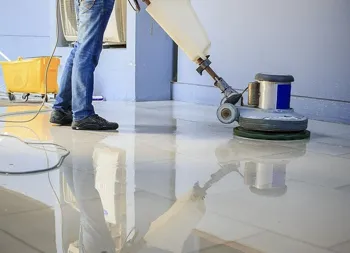
Depending on foot traffic, marble floors benefit from regular polishing or honing to restore shine and remove minor scratches. Commercial spaces may require periodic re-crystallization or mechanical polishing.
If surface wear becomes visible, see: Restoring and Polishing Worn Marble Floors
7. Caring for Paired Stones
If your space combines marble with travertine, limestone or onyx, keep in mind that each has different hardness and porosity levels. Cleaning routines should be adjusted accordingly.
Conclusion
With proper maintenance, Turkish marble floors and walls will remain elegant and durable for many decades. Whether used in residential villas, luxury hotels or commercial interiors, correct care preserves both aesthetics and long-term performance.
Looking for Turkish Marble for Your Next Project?
Explore our marble, travertine, limestone, onyx and granite selections — available as slabs, tiles and cut-to-size production.
Quick Contact
Send us your project details or stone inquiries and we will respond as soon as possible.