
Environmental Benefits of Turkish Natural Stone
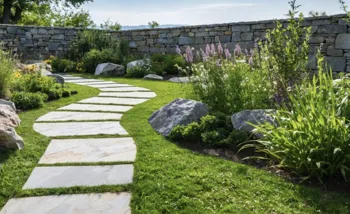
Turkish natural stone—including marble, travertine, limestone, onyx, basalt and granite—is widely recognized not only for its beauty but also for its exceptionally low environmental impact compared to manufactured building materials. As global architecture and construction move toward more sustainable solutions, natural stone remains one of the most eco-friendly and durable options available.
For a general introduction to stone types, see: Introduction to Turkish Natural Stones.
1. 100% Natural Material With Minimal Processing
Natural stone is extracted directly from quarries, requiring no chemical additives, synthetic binders or energy-intensive manufacturing. Compared to engineered surfaces or ceramic products, Turkish marble and travertine have far lower embedded carbon. Cutting and finishing processes involve only mechanical shaping, keeping the overall footprint low.
2. Extremely Long Lifecycle
Stone structures from ancient Anatolia still stand today, proving the longevity of the material. Turkish marble and limestone used in floors, façades or interiors can last for decades or even centuries with minimal maintenance. Long lifecycle = reduced replacement needs = reduced waste.
3. Recyclable, Reusable and Biodegradable
Unlike engineered materials, natural stone can be repurposed indefinitely—as pavers, aggregates, wall cladding or landscape stone. It contains no plastics or resins, making it completely recyclable and non-toxic.
4. Lower VOC Emissions and Health Benefits
Natural stone has zero VOC emissions, which improves indoor air quality. This makes it ideal for homes, hotels, offices and public projects focused on wellness and sustainability.
5. Thermal Mass & Energy Efficiency
Marble, travertine, basalt and granite have excellent thermal mass properties, helping stabilize indoor temperatures. In warm climates like Turkey, stone reduces cooling demand, while in colder regions it retains heat efficiently.
For façade considerations, read: Thermal Performance of Stone Facades in Different Climates.
6. Environmentally Responsible Quarrying in Turkey
Modern Turkish quarries follow strict national and international environmental standards. Water recycling systems, dust reduction technologies and controlled extraction zones help minimize ecological impact. Many quarries also rehabilitate land after extraction.
7. Supports Sustainable Architecture & Certifications
Natural stone contributes to sustainability programs such as LEED and BREEAM due to its durability, low emissions, recyclability and regional sourcing availability.
Conclusion
Choosing Turkish natural stone—whether marble, travertine, limestone or granite—supports eco-friendly building practices while enhancing long-term project value. Its natural beauty, durability and low environmental impact make it one of the world’s most sustainable construction materials.
Looking for Sustainable, Natural Stone Materials?
Explore our collection of Turkish marble, travertine, limestone and other stones chosen for long-term performance and architectural quality.
Quick Contact
Send us your project details or material inquiries and we will get back to you shortly.