
Frequently Asked Questions About Turkish Natural Stones
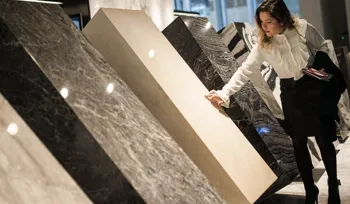
Whether you're sourcing Turkish marble, travertine, onyx, limestone or granite, many architects and contractors share similar questions about stone quality, finishes, logistics and export standards. This FAQ provides clear guidance based on our experience as a Turkish natural stone supplier and exporter.
New to the subject? Start with: Introduction to Turkish Natural Stones.
1. Why is Turkey a leading supplier of natural stone?
Turkey has one of the world’s richest natural stone reserves, with marble, travertine, limestone, onyx and granite quarries spread across Afyon, Denizli, Burdur, Bilecik, Muğla and Diyarbakır. Strong factory infrastructure and block-processing capacity make Turkey a top exporter worldwide.
2. What are the most in-demand Turkish marble types?
Popular choices include Afyon White, Mugla White, Marmara Equator, Burdur Beige, Bilecik Beige, Tundra Grey, Milas Lilac, Isparta Pink, Elazig Cherry and Diyarbakir Black.
Explore marble categories here: Guide to Turkish Marble Types.
3. Are Turkish stones good for large commercial projects?
Yes. Turkey can supply large-scale quantities of marble, travertine and limestone with consistent quality, suitable for malls, hotels, public buildings and residential complexes.
4. What finishes are available?
Most stones can be supplied as polished, honed, brushed, tumbled, sandblasted or bush-hammered. For finish details: Stone Finishes Guide.
5. How can I compare marble, travertine, limestone and granite?
Each stone suits different applications depending on hardness, porosity and appearance. Learn the differences: Comparing Major Stone Types.
6. Can I request samples before ordering?
Yes. We provide photos, videos and physical stone samples upon request. See: How to Request and Evaluate Samples.
7. How are Turkish stones packed for export?
Slabs are packed in wooden bundles; tiles and cut-to-size pieces are packed in wooden crates, protected with foam and nylon wrapping. Read more: Packing Systems for Natural Stone.
8. What sizes and thicknesses are available?
Common thicknesses are 2 cm and 3 cm for slabs; 1.2 cm and 1.5 cm for tiles. For detailed guidance: Stone Thickness Recommendations.
9. Do Turkish stones require sealing?
Most marble and limestone benefits from sealing. Travertine should also be sealed after installation, especially for bathrooms and outdoor areas.
10. Can I use Turkish stones outdoors?
Yes—travertine, limestone, basalt, andesite and certain marbles work well outdoors depending on finish and climate. Learn about durability: Thermal Performance of Stone Facades.
11. What should I know about moisture-sensitive stones?
Some light marbles or onyx require proper container ventilation. For more info: Moisture-Sensitive Stones Guide.
12. How do I order from Atlas Natural Stones?
Send us your drawings, material list and project details. We will guide stone selection, coordinate production and manage export logistics. See ordering steps: How to Order from Us.
Explore the full range of materials: Turkish Marble, Travertine, Onyx & Limestone.
Need Guidance for Your Stone Project?
We help architects, contractors and developers choose the right Turkish natural stones for any project—large or small.
Quick Contact
Send us your project details or stone questions.