
Thermal Performance of Stone Facades in Different Climates
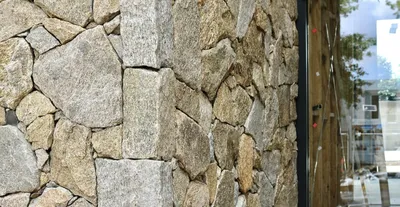
Natural stone is not only chosen for its appearance and durability but also for its excellent thermal performance. Turkish marble, limestone, travertine and granite are widely used in facade systems around the world because they help stabilize interior temperatures and protect buildings against climate extremes. This article explains how different stones behave in hot, cold, humid and dry environments—and how architects can optimize performance.
For additional facade-related topics, see Limra Limestone for Facades and Turkish Limestones & Dolomites for Architecture.
Thermal Mass: Why Stone Works Well
Natural stone has a high thermal mass, meaning it absorbs heat slowly and releases it gradually. This makes stone an ideal facade material in climates with day–night temperature differences. Turkish limestone and beige marble varieties—such as Limra, Burdur Beige or Bilecik Beige—are particularly effective due to their density and uniform structure.
Performance in Hot Climates
In warm regions, stone protects buildings by reducing heat gain. Light-colored stones like Mugla White, Afyon White and Limra Limestone reflect sunlight, helping keep interiors cooler. For overall material comparisons, see Choosing Between Marble, Travertine, Limestone and Granite.
Performance in Cold Climates
Stone’s thermal mass helps retain heat during colder months. When paired with proper insulation behind the cladding, marble and limestone facades maintain excellent energy efficiency. Granite is especially suitable for freeze–thaw environments due to its low porosity and high density.
Humid & Coastal Environments
In humid climates, material porosity matters. Travertine should be used carefully, typically in honed and filled form, while denser limestones and marbles perform reliably. For moisture-related topics, see Porosity & Absorption in Natural Stone.
Ventilated Stone Facade Systems
Ventilated facades create an air gap behind the stone, improving insulation and preventing moisture accumulation. This system enhances thermal performance significantly and is increasingly used in commercial and public buildings worldwide.
Learn more about facade engineering in Ventilated Stone Facade Systems.
Best-Performing Turkish Stones for Facades
- Limra limestone (reference stone for cladding)
- Beige limestones with fine grain
- Burdur Beige and Bilecik Beige marbles
- Marmara White for modern facade expressions
- Basalt and andesite for urban public buildings
Visit the main Products page to explore these materials.
Conclusion
Whether exposed to extreme heat, freezing winters or coastal humidity, Turkish natural stone offers exceptional thermal performance when installed correctly. Its durability, mass and natural resistance to temperature cycles make it a smart long-term choice for modern architectural facades.
For more technical resources, explore the Natural Stone Academy or contact us for project assistance through the contact page.
Explore Premium Turkish Facade Stones
Find the ideal limestone, marble, travertine or basalt for your building envelope.
Quick Contact
Send us your project details or questions and we’ll reply quickly.