
Slip Resistance of Marble, Travertine & Limestone Surfaces
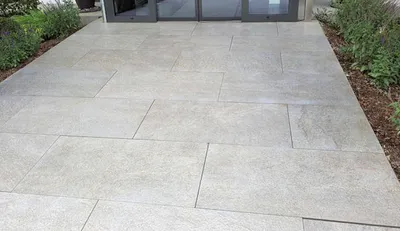
Slip resistance is one of the most important technical considerations when selecting marble, travertine and limestone flooring. Turkish natural stones are widely used in hotels, malls, villas and public spaces, but choosing the correct finish is crucial for safety and performance.
Whether you are working with premium marbles such as Mugla White, Tundra Grey or Bilecik Beige, or with travertine and limestone for outdoor areas, understanding slip ratings helps ensure long-term durability. For an overview of major stone groups, you may reference the Introduction to Turkish Natural Stones.
1. What Affects Slip Resistance?
The primary factor affecting slip resistance is the surface finish. Natural stone can be polished, honed, brushed, tumbled, sandblasted, bush-hammered or flamed. Each finish changes surface texture, friction and water behavior.
General trends:
- Polished marble → elegant but slippery when wet
- Honed marble → better friction, suitable for many interiors
- Brushed / antiqued surfaces → improved traction
- Tumbled travertine → excellent slip resistance for pools & spas
- Sandblasted or bush-hammered limestone → ideal for outdoor paving
For an overview of basic interior finishes, see: Natural Stone Finishes: Polished, Honed, Brushed & Tumbled.
2. Marble Slip Resistance
Marble is dense and smooth, especially when polished. Floors in lobbies, corridors and residences often use honed finishes for better safety. Designers frequently pair polished slabs on walls with honed tiles on floors.
If you work with patterned materials such as Marmara Equator or Milas Lilac, keeping a matte finish in high-traffic zones ensures both comfort and durability.
3. Travertine Slip Resistance
Travertine is naturally more porous and textured, which increases traction. Tumbled and brushed travertine are top choices for:
- Pool decks
- Patios
- Spa & hammam floors
- Outdoor walkways
To understand travertine variations, you may refer to: Denizli Travertine Overview and Cross-Cut vs Vein-Cut Travertine.
4. Limestone Slip Resistance
Turkish limestones—including Limra limestone—perform well for both interiors and exteriors. For façades, terraces or large public plazas, architects often choose:
- Sandblasted
- Bush-hammered
- Brushed
These finishes improve traction while maintaining a natural aesthetic. You can explore façade-oriented materials in: Limra Limestone for Facades.
5. Choosing Slip-Resistant Finishes
When preparing material schedules, it's best to specify slip-resistant finishes for:
- Bathrooms & hammams
- Outdoor stairs
- Balconies & terraces
- Pool surrounds
- Public walkways
You can browse material options on our Products page, or explore complementary technical topics such as: stone thickness recommendations and dimensional tolerances.
Need Slip-Resistant Stone for Your Project?
Share your drawings and material list. We will recommend the best Turkish marble, travertine or limestone with the correct safety-oriented finishes.