
Acoustic Behavior of Stone Walls and Floors
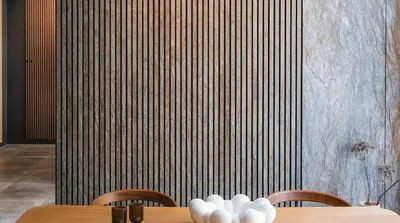
Natural stone—whether marble, travertine, limestone or granite—is often chosen for its durability and timeless aesthetics. But stone also influences a building’s acoustic environment. Understanding how stone interacts with sound helps architects create better interiors in hospitality, commercial and residential projects.
For related technical topics, explore Porosity & Absorption in Natural Stone and Slip Resistance of Marble & Limestone.
How Stone Interacts with Sound
Stone is a dense material, meaning it efficiently reflects sound waves. This makes marble and limestone suitable for large public spaces like lobbies, corridors, museums and hotels where clarity and diffusion of sound are desirable. However, stone by itself does not absorb sound, so it is often paired with acoustic ceilings, soft furnishings or wall treatments to balance reverberation.
Stone Floors and Footfall Noise
Footstep noise is more noticeable on stone floors because of their hardness. Travertine, especially in honed and filled finishes, provides slightly softer acoustic behavior compared to polished marble. Acoustic underlayments and proper installation techniques help reduce impact noise in multi-story buildings.
Stone Walls and Echo Control
Vertical stone surfaces such as marble cladding or limestone paneling create crisp sound reflections. This is ideal for high-end reception areas and galleries. In long corridors, adjusting the ratio between stone surfaces and sound-absorbing materials keeps echo within comfortable limits.
To explore popular wall stones, see Design Inspirations with Turkish White Marbles (if you publish this article later) or visit the Products page for stone options.
Acoustic Behavior of Different Stone Types
- Marble: Highly reflective, ideal for luxury commercial interiors.
- Travertine: Slightly softer acoustics; filled travertine improves consistency.
- Limestone: Balanced acoustics, suitable for both interiors and facades.
- Granite: Hardest and most reflective; commonly used in high-traffic public spaces.
Improving Acoustic Comfort with Stone
Designers often incorporate combinations of materials to achieve high acoustic performance:
- Using rugs and soft furnishings over stone floors
- Integrating acoustic ceiling panels
- Breaking up reflective surfaces with textured stone
- Choosing honed or brushed finishes instead of polished
To learn more about stone finishes, see Stone Finishes Explained.
Conclusion
Natural stone performs exceptionally well in architectural acoustics when used thoughtfully. With the right combination of materials, designers can balance sound reflection, clarity and comfort. Whether you’re specifying marble for a hotel lobby or travertine for a spa, Turkish stones offer unique acoustic advantages across a wide range of building types.
Explore our stone varieties on the Products page or review more guides in the Natural Stone Academy.
Explore Turkish Stones for Interior & Acoustic Applications
Find the right marble, travertine or limestone for your project requirements.
Quick Contact
Send us your project details and receive recommendations tailored to your needs.