
Other Turkish Limestones & Dolomites for Architecture
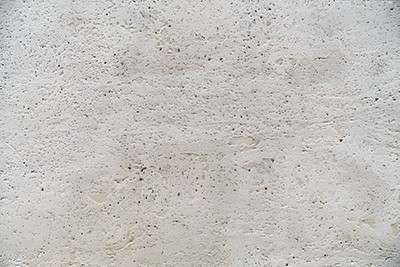
While Limra limestone is the most globally recognized façade stone from Turkey, the country also offers a wide range of other limestones and dolomites suitable for modern architecture, interior design and landscape applications.
As a Turkish natural stone supplier, Atlas Natural Stones coordinates production of many limestone and dolomite types from trusted factories across Turkey. Our full material range can be viewed on the Products page.
Main Limestone Regions in Turkey
Turkish limestone production is concentrated in regions known for soft-toned, workable and architecturally consistent stones:
- Antalya – beige and cream limestones
- Burdur – compact, warm-colored limestone varieties
- Denizli – limestones matching travertine projects in color palettes
- Muğla / Aegean region – dolomitic stones and light façade materials
These stones are often used alongside marble and travertine from the same regions. See the Beige Marbles from Turkey guide for pairing ideas.
Properties of Turkish Limestone
Architects choose Turkish limestones for several practical and aesthetic reasons:
- Soft, neutral colors ideal for large façade surfaces
- Homogeneous texture with minimal distractions
- Good workability for profiling, cornices and edge details
- Compatible with both modern and traditional building styles
For more information on technical performance, see Thermal Performance of Stone Facades.
Turkish Dolomites for Architecture
Dolomites from Turkey are denser and slightly harder than standard limestones. Their crisp white or very light tones make them excellent for:
- Contemporary exterior cladding
- Interior wall coverings
- Public building façades
- Flooring in high-traffic areas
Their increased durability makes dolomites a strong alternative where a lighter stone is preferred but greater strength is needed.
Available Finishes
Turkish limestones and dolomites can be processed in a variety of finishes suitable for different environments:
- Honed – smooth and matte
- Brushed – slightly aged texture
- Sandblasted – exterior-friendly and glare-reducing
- Bush-hammered – heavily textured for durability
To learn more, check Natural Stone Finishes Explained.
Applications in Architecture
Turkish limestones and dolomites are versatile materials commonly used in:
- Ventilated façade panels
- Traditional glued façade systems
- Interior wall cladding
- Large-format flooring
- Landscape and urban design elements
They pair naturally with other Turkish stones such as marble, travertine and basalt. For combination ideas, see Combining Turkish Marble with Other Materials.
Choosing Between Limestone and Dolomite
Both materials offer excellent architectural value, but the choice depends on your technical needs:
- Limestone – softer, warmer tones, easier to shape
- Dolomite – harder, brighter, more resistant
If you are unsure which stone suits your project, the guide Choosing Between Marble, Travertine, Limestone & Granite provides a helpful comparison.
Need Turkish Limestone or Dolomite for Your Project?
Atlas Natural Stones supplies façade panels, cladding stones and architectural elements from the top limestone and dolomite quarries in Turkey.