
Key Questions to Ask Before Ordering Turkish Stone
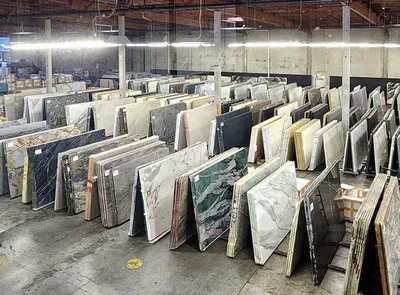
Ordering Turkish natural stone for an international project is a significant investment. Before you confirm a package of Turkish marble, travertine, limestone, granite or onyx, it is essential to ask the right questions to your stone supplier or exporter. Clear information at the beginning helps avoid surprises later on site.
This checklist is designed for architects, contractors and distributors who are planning to work with materials from Turkey. Use it together with our Introduction to Turkish Natural Stones and the overview of material choices on the Products page.
1. Which Exact Stone and Quarry Will Be Used?
Many stones share similar trade names. Before ordering, ask:
- What is the exact commercial name of the stone?
- From which quarry or region in Turkey does it come?
- Are there alternative quarries with slightly different appearance?
For example, Afyon white marble and Mugla white marble are both Turkish white marbles but with different veining. Clarifying the quarry makes your specification stronger and aligns expectations with the exporter.
2. What Are the Available Thicknesses, Sizes and Finishes?
Confirming realistic formats is critical before you finalize drawings and tenders. Ask your Turkish stone supplier:
- Which thicknesses are standard for floors, walls and facades?
- Are your preferred tile sizes feasible for this marble or travertine?
- Which surface finishes are possible: polished, honed, brushed, tumbled, sandblasted, flamed?
For deeper background, see Slabs vs Tiles vs Cut-to-Size Pieces: Which Format to Choose? and Understanding Natural Stone Finishes: Polished, Honed, Brushed & Tumbled .
3. How Is Quality Graded and Selected?
Turkish marble and travertine are often offered in several grades depending on color consistency, veining and natural features. It is important to ask:
- How do you define commercial grades (e.g. A, B, commercial, select)?
- What level of variation should we expect in each grade?
- Can you share photos or videos of the current blocks or slabs?
The article Quality Grading & Selection in Turkish Marble and Travertine explains typical grading approaches used by factories in Turkey.
4. What Is the Expected Lead Time?
Stone supply affects the overall project programme. When speaking with a Turkish exporter, clarify:
- How many weeks are needed for production of your package?
- Does the lead time change if you add extra quantities later?
- Which period of the year is busiest for this quarry or factory?
For large or complex orders, ask if the supplier can share a production schedule or milestones.
5. How Will the Stone Be Packed and Loaded?
Packing methods influence both safety during transport and efficiency on site. Ask your supplier:
- Will tiles be packed in wooden crates, pallets or bundles?
- How are marble and onyx slabs loaded in containers?
- Will the crates be labeled by area or drawing reference?
Later, you can refer to Crates, Bundles & Pallets: Packing Systems for Natural Stone and Container Loading Methods for Slabs and Tiles for additional details about export logistics.
6. Which Technical Data and Test Results Are Available?
For many projects, especially public or high-traffic areas, you will need technical information. Ask:
- Do you have laboratory test reports for this marble, travertine or limestone?
- What are the values for water absorption, flexural strength and compressive strength?
- Are there recommended limitations for wet areas, facades or exterior paving?
Technical properties are particularly important when comparing natural stone with other surface materials during design development.
7. Which INCOTERMS and Shipping Options Do You Offer?
Before ordering Turkish stone, clarify the commercial and shipping framework:
- Which INCOTERMS do you usually use (FOB, CFR, CIF, etc.)?
- Can we work with our own forwarder or only with your logistics partners?
- Which ports do you normally use in Turkey?
Agreeing on terms early will make it easier to compare offers between different stone exporters.
8. How Will Communication and Reporting Work?
For smooth cooperation with a Turkish stone trading company, ask:
- Who will be your single point of contact?
- How often will you receive photo or video updates from the factory?
- Can the supplier share packing lists and crate labels before shipment?
Good communication practices are discussed in more detail in Communication Best Practices During Stone Production .
9. What Support Is Available After Delivery?
A reliable natural stone supplier from Turkey should support you not only before shipping but also after arrival on site. It is useful to ask:
- Can you help us interpret the packing list and crate labels?
- Do you provide guidance on installation, sealing and maintenance?
- How do you handle claims if there are issues during transport or installation?
Putting the Questions into Practice
When you are ready to request a quote, you can send these questions together with your drawings, stone schedule and reference images to Atlas Natural Stones, Inc. We review your package, suggest suitable Turkish marble, travertine, limestone, granite or onyx, and prepare a clear offer for your project.
To start the process, visit our main page for an overview, explore the Products section for detailed material options, and send us your enquiry via the contact form.
Ready to Discuss a Turkish Stone Package?
Share your drawings, quantities and preferred materials. Atlas Natural Stones, Inc. will prepare a coordinated offer for Turkish marble, travertine, limestone, granite and onyx tailored to your project.
View Stone CollectionQuick Contact
Send us your project details or stone inquiries and we will respond as soon as possible.