
Container Loading Methods for Slabs and Tiles
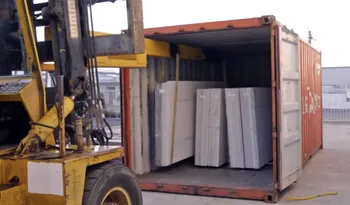
Proper container loading plays a critical role in protecting Turkish marble, travertine, limestone, granite and onyx during international transport. Whether you are importing slabs for countertops or tiles for a commercial flooring project, understanding correct packing and loading methods helps prevent breakage, warping, or transit-related defects.
As an exporter coordinating materials across major Turkish stone regions, Atlas Natural Stones ensures all shipments follow internationally recognized loading standards. Below is a practical guide for architects, contractors and wholesalers receiving stone worldwide.
1. Loading Marble & Travertine Slabs
Slabs are typically loaded in A-frames or L-frames inside 20-foot containers. For premium materials such as Turkish marble or onyx, wooden wedges and foam separators reduce vibration risks.
- Slabs are placed vertically with balanced weight distribution.
- The first slab always faces inward to avoid door impact damage.
- Plastic wrap, felt and wooden spacers protect polished surfaces.
- Straps secure the load against movement during sea transport.
2. Loading Stone Tiles
Tile packaging differs greatly from slabs. Tiles of marble, travertine, limestone or granite are packed in boxes, then placed into wooden crates. Each crate is reinforced to withstand forklift handling.
- Crates are stacked carefully to avoid overloading any section.
- Tiles must be tightly packed to avoid edge chipping.
- Moisture-sensitive stones benefit from breathable yet secure packaging.
3. Weight Distribution & Safety
Stone is extremely heavy, especially dense materials such as basalt or granite. Balanced loading is essential for safe transport and adherence to international shipping regulations.
4. Documentation & Inspection
Before shipment, clients receive a packing list detailing crate numbers, slab thicknesses, surface finishes and weights. You can learn more about how to read these documents in: Reading a Marble or Travertine Packing List.
Final inspection reports with photos are often provided before sealing the container, ensuring transparency and confidence for remote buyers.
5. Why Proper Loading Matters
Correct loading methods reduce the likelihood of breakage, claims and project delays. Whether you are receiving marble slabs for a lobby or travertine tiles for a public space, reliable packing ensures the stone reaches your site exactly as agreed.
Related Reading
- Step-by-Step Overview of Exporting Turkish Marble
- Crates, Bundles & Pallets: Packing Systems for Natural Stone
- Moisture-Sensitive Stones and Container Ventilation
Looking for Turkish Marble, Travertine or Onyx?
Explore our full product range and request quotations for slabs, tiles or cut-to-size work.
Quick Contact
Send us your project details or stone inquiries and we will respond as soon as possible.