Natural Stone in Green Building Certifications (LEED & BREEAM)
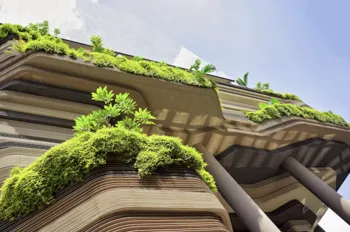
Natural stone—especially Turkish marble, travertine, onyx, limestone and granite—plays an increasingly important role in sustainable architecture. As green building certifications such as LEED (Leadership in Energy and Environmental Design) and BREEAM (Building Research Establishment Environmental Assessment Method) become global standards, project teams are seeking materials that demonstrate durability, low environmental impact and long life-cycle performance.
Compared to synthetic alternatives, natural stone is inherently sustainable due to its minimal processing, recyclability and extremely long lifespan. For a broader introduction to Turkish stones, see: Introduction to Turkish Natural Stones.
How Natural Stone Supports LEED Certification
LEED evaluates materials across several categories. Turkish natural stones can contribute to credits in the following areas:
1. Material & Resources (MR)
Durability and low maintenance requirements allow marble, travertine and limestone to achieve MR credits involving long-term building performance. Stone can also support LEED points related to responsible sourcing when documentation is provided.
2. Indoor Environmental Quality (IEQ)
Natural stone contains no VOCs (volatile organic compounds), making it an ideal choice for healthy indoor environments.
3. Sustainable Sites (SS)
Stone used in landscaping or paving—such as Turkish basalt, andesite and slate—can contribute to reducing heat island effect when finished in lighter tones or textured surfaces.
4. Energy & Atmosphere (EA)
Natural stone contributes indirectly by enhancing thermal mass, which improves energy efficiency in buildings.
For additional sustainability insights, see: Environmental Benefits of Turkish Natural Stone.
How Natural Stone Supports BREEAM Certification
BREEAM focuses heavily on life-cycle analysis and environmental impact. Natural stone supports BREEAM credits in:
1. Life Cycle Assessment (LCA)
Compared with engineered materials, stone requires significantly less processing, reducing embodied carbon.
2. Responsible Sourcing
Many Turkish quarries follow strict environmental and safety protocols, and documentation from suppliers helps meet BREEAM sourcing criteria.
3. Health & Wellbeing
Low chemical emissions, high thermal comfort, natural tactile qualities and acoustic advantages make stone optimal for wellness-oriented design.
For related content, visit: Life Cycle of Marble, Travertine & Limestone.
Why Turkish Natural Stone Performs Exceptionally Well in Green Buildings
- Highly durable—often lasting over 100 years
- Requires minimal chemical processing
- Recyclable and reusable after demolition
- Locally available in vast quantities across Turkey
- Excellent thermal performance
- Natural textures and colors that support biophilic design
To explore sustainable stone products, view our main product selection: Turkish Natural Stone Collection.
Need Sustainable Stone for a LEED or BREEAM Project?
We supply marble, travertine, limestone and other Turkish stones suitable for environmentally certified buildings.
Quick Contact
Send us your project details or material inquiries and we will respond shortly.