
Myths & Facts About Marble Staining and Etching
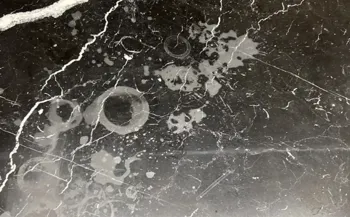
Marble is one of the most beautiful and timeless natural stones used in architecture. Turkish marble varieties—such as Afyon White, Mugla White, Bilecik Beige and Milas Lilac—are prized worldwide for their elegance and versatility. However, homeowners and professionals frequently encounter misunderstandings about staining and etching. This article separates fact from fiction to help you specify natural stone confidently.
If you are new to Turkish stones, see our foundational guide: Introduction to Turkish Natural Stones.
Myth 1: “Marble Stains Easily”
Fact: Marble is less porous than many believe. When properly sealed and maintained, Turkish marble resists most everyday liquids. Staining typically occurs only when spills—like wine, coffee or oil—are left to sit for an extended period.
Travertine and limestone behave similarly, with sealing playing the biggest role in stain prevention. For sealing guidance, see: Cleaning and Sealing Travertine Indoors and Outdoors.
Myth 2: “Etching Is Permanent Damage”
Fact: Etching is not the same as staining. Etching occurs when acidic substances (lemon juice, vinegar, certain cleaners) react chemically with calcium carbonate. It creates a dull spot rather than a dark stain.
The good news? Etching can often be polished out, especially on marble with uniform textures such as Marmara White Equator or Antalya Beige. For long-term care, see: Maintenance Guide for Turkish Marble Floors and Walls.
Myth 3: “Polished Marble Etches More Than Honed Marble”
Fact: Both finishes etch equally—it’s simply more visible on polished surfaces because the gloss highlights dull spots. For areas with heavy kitchen use, architects often choose honed marble to minimize the appearance of etching.
To understand stone finishes more deeply, visit: Understanding Natural Stone Finishes.
Myth 4: “Using Marble in Kitchens and Bathrooms Is Risky”
Fact: Turkish marble is used globally in luxury kitchens, spa bathrooms, hotels and public spaces. With proper sealing, routine cleaning and informed expectations, marble performs exceptionally well even in wet or high-traffic environments.
See application examples: Natural Stone in Bathrooms, Hammams & Wet Areas.
Myth 5: “Marble Requires Constant Maintenance”
Fact: Marble care is simple: mild soap, water, and periodic resealing. Many issues occur only when harsh cleaners are used or when acidic spills remain uncleaned. Compared with synthetic materials, marble’s lifespan is significantly longer and more sustainable.
To make the right material choice for your project, read: Choosing Between Marble, Travertine, Limestone and Granite.
Conclusion
Marble remains one of the most desirable natural stones for architects, designers and homeowners. Understanding the real behavior of marble helps ensure successful installations and long-lasting performance. Turkish marble—supplied in slabs, tiles and cut-to-size pieces by Atlas Natural Stones—provides unmatched beauty, durability and value for global projects.
Explore our full stone collection here: Turkish Natural Stone Products.
Need Help Selecting the Right Marble?
We supply high-quality Turkish marble, travertine, limestone, onyx and granite for projects worldwide.
Quick Contact
Send us your project details or material inquiries and we will respond shortly.