
Working with Reference Samples, Mock-Ups and Approvals
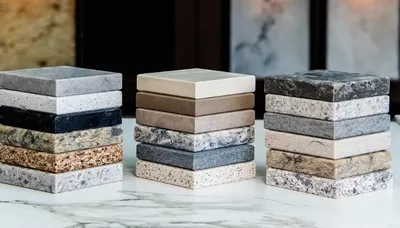
Successful marble, travertine and other natural stone projects depend on clear communication between architects, contractors and the stone supplier or exporter. One of the most powerful tools in this process is a well-organized chain of reference samples, mock-ups and documented approvals.
This article explains how to structure that chain when working with Turkish marble, travertine, limestone, granite and onyx, and how Atlas Natural Stones, Inc. can support your team from first sample to finished façade. For a broader overview of materials, see our stone collection and Introduction to Turkish Natural Stones.
1. Reference Samples: The First Visual Language
A reference sample is the starting point of every natural stone conversation. It sets the visual language for Turkish marble, travertine or limestone before any production begins. Ideally, your reference samples should:
- Be cut from typical stone currently available at the quarry or factory.
- Show the agreed finish (polished, honed, brushed, tumbled, etc.).
- Include a small range of color and veining, not just a “perfect” piece.
When you request and evaluate marble & travertine samples, select one or two pieces as the official reference and label them clearly with project name, date, finish and quarry or factory information.
2. Linking Reference Samples to Specifications
Reference samples work best when they are tied to a written specification. In your drawings and schedules, indicate that the final material should be “similar to approved reference sample” and include:
- Stone type and origin (e.g. Afyon white marble, Denizli classic travertine).
- Finish and edge details (e.g. honed, beveled edges, resin-filled).
- Thickness and format (slabs, tiles or cut-to-size pieces).
For guidance on how to include this information in your tender or construction documents, see How to Specify Natural Stone in Architectural Drawings.
3. Mock-Ups: Testing Design and Performance
On-site or factory mock-ups take the reference sample one step further. They show how Turkish marble or travertine will look in the actual installation, with grout joints, backing materials and lighting conditions. Common types include:
- A small section of marble floor with the final pattern and joint width.
- A portion of travertine façade with anchors and fixing system.
- A full-size bathroom wall in marble or limestone, including cutouts.
Mock-ups are especially important when combining multiple stones from Turkey in one design, such as white marble with beige marble, or dark granite with travertine. They allow the design team to adjust edge details, joint positions and finishes before authorizing large-scale production.
4. Approvals: Defining “Acceptable Range”
Natural stone is never identical from piece to piece. Instead of expecting a single look, it is more realistic to define an acceptable range. To do this:
- Lay out several slabs or tiles near each other.
- Mark some pieces as “within range” and others as “too light” or “too veined”.
- Agree in writing that future production will follow this range.
This process is closely linked to Quality Grading & Selection in Turkish Marble and Travertine , where factors such as veining, background color and natural defects are clearly described and graded.
5. Photographic and Digital Approvals
For international projects, it is not always possible for decision-makers to visit the factory in Turkey. In those cases, high-resolution photos and videos of slabs and tiles can support the approval process:
- Slab photos with color-correct lighting and a scale reference.
- Close-ups showing natural veins, fossils or travertine voids.
- Short videos walking across rows of slabs or tile pallets.
Digital approvals should always refer back to the physical reference sample kept in the architect’s office or on site. For complex projects, combining digital media with physical samples and mock-ups reduces the risk of misunderstandings between the stone supplier and the project team.
6. Keeping a Clear Approval Trail
To avoid future disputes, keep a clear approval trail that links:
- Reference samples (labeled and dated).
- Photos and reports from the Turkish factory.
- Mock-up photos and written approval notes.
- Final packing lists and material descriptions.
When you receive material on site, you can compare it quickly to the approved samples and mock-up photos, as described in Receiving, Inspecting and Storing Stone Deliveries on Site .
7. How Atlas Natural Stones, Inc. Supports Approvals
As an independent Turkish natural stone trading company, Atlas Natural Stones, Inc. helps architects, contractors and distributors coordinate this full approval chain for marble, travertine, limestone, onyx and granite from Turkey. We can:
- Prepare realistic reference samples and send them internationally.
- Organize slab and tile mock-ups at partner factories or on site.
- Provide photo and video reporting from production and packing.
To discuss your project in detail, you can contact us with your drawings and stone schedule, or start by browsing the main materials on our Products page.
Ready to Turn Approvals into a Full Stone Package?
After reference samples and mock-ups are approved, Atlas Natural Stones, Inc. can supply coordinated Turkish marble, travertine, limestone and granite packages for your project.
View Stone CollectionQuick Contact
Send us your project details or stone inquiries and we will respond as soon as possible.