
INCOTERMS & Shipping Terms for Stone Projects
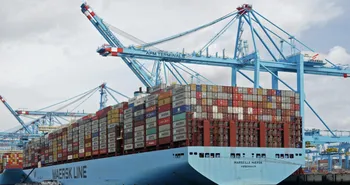
When importing Turkish marble and other natural stones such as travertine, limestone, granite and onyx, understanding INCOTERMS is essential. The shipping term agreed between buyer and exporter defines who is responsible for costs, risks and documentation at each stage of the journey from quarry and factory to the destination port or site.
This article explains the most common INCOTERMS used in natural stone supply and how they apply to container shipments of slabs, tiles and cut-to-size pieces. It complements other Natural Stone Academy articles such as Step-by-Step Overview of Exporting Turkish Marble, Key Questions to Ask Before Ordering Turkish Stone and Project Timelines for International Stone Supply.
What Are INCOTERMS?
INCOTERMS (International Commercial Terms) are internationally recognized rules published by the International Chamber of Commerce (ICC). They clearly define which party — the buyer or the seller — is responsible for:
- Inland transport from factory to port.
- Export customs clearance in the supplier’s country.
- Ocean freight and main carriage.
- Insurance (when applicable).
- Unloading, import customs and local delivery at destination.
In the context of marble and natural stone projects, choosing the right term helps avoid misunderstandings and unplanned costs when importing from a Turkish stone supplier or exporter.
Common INCOTERMS for Natural Stone Shipments
EXW (Ex Works) – Buyer Controls the Entire Logistics Chain
Under EXW, the marble exporter makes the goods available at their premises (factory or warehouse), and the buyer arranges all transport and export procedures. For containers of Turkish marble, travertine or granite, this means:
- The buyer books the truck, container and vessel.
- The buyer handles export documentation and customs via a local agent.
- Risk transfers to the buyer as soon as the goods are handed over at the factory.
EXW gives maximum control to the buyer but requires a strong logistics network in Turkey. It is less common for new clients who are buying natural stone from Turkey for the first time.
FOB (Free On Board) – A Popular Choice for Stone Projects
FOB is one of the most widely used terms for containerized marble and natural stone:
- The seller (exporter) arranges inland transport to the loading port.
- The seller handles export customs and port charges up to loading on board the vessel.
- The buyer arranges ocean freight, insurance and arrival costs at destination.
Many importers prefer FOB for Turkish marble because they can work with their own freight forwarder and negotiate sea freight rates, while the stone supplier manages local logistics inside Turkey.
CFR (Cost and Freight) – Seller Books the Main Carriage
Under CFR, the marble exporter assumes responsibility for:
- Inland transport and export customs in Turkey.
- Ocean freight to the named destination port.
The risk of loss or damage, however, transfers to the buyer once the container is loaded on board in the port of shipment. The buyer covers insurance and destination costs. CFR can be convenient for buyers who prefer a single combined rate from the exporter.
CIF (Cost, Insurance and Freight)
CIF is similar to CFR but includes basic marine insurance arranged by the seller. For projects using high-value white marble, decorative onyx or bookmatched slabs, some buyers appreciate the simplicity of CIF quotations from their Turkish stone exporter. However, it is still important to understand the insurance coverage details and any exemptions.
DAP (Delivered at Place) – Door Delivery to Site or Warehouse
With DAP, the exporter not only ships the container to the destination country but also arranges inland delivery to a specified address such as:
- Client’s warehouse.
- Project site.
- Stone installer’s yard.
The buyer generally handles import customs and taxes, but transport is coordinated by the exporter’s logistics partners. Large projects that use multiple containers of Turkish marble, travertine, limestone and basalt sometimes choose DAP for simplicity.
How INCOTERMS Affect Marble, Travertine, Limestone & Granite
The choice of term affects not only pricing but also risk and responsibilities for natural stone shipments:
- Price comparison: EXW prices may look lower than FOB or CFR, but the buyer must add all logistics costs to understand the true landed cost per m².
- Damage and claims: The moment risk transfers (factory, port or vessel) influences who handles claims if marble slabs or travertine tiles arrive damaged.
- Project control: Some contractors prefer controlling freight for critical deliveries of façade limestone or granite, while others prefer turnkey solutions from the exporter.
When specifying stone in architectural documents, it can be useful to mention both the desired materials (for example Turkish marble and travertine) and the expected shipping term. See How to Specify Natural Stone in Architectural Drawings for more guidance.
Choosing the Right Term for Your Stone Project
There is no universal “best” INCOTERM — the right choice depends on your project structure, internal resources and risk appetite. Consider:
- Experience with imports: New buyers of Turkish marble may prefer FOB or CFR, while experienced importers with local agents in Turkey might use EXW.
- Project complexity: For multi-phase projects using marble, travertine, granite and onyx from several factories, coordinated logistics via FOB or CFR can be easier.
- Site conditions: If storage and access are challenging, DAP deliveries directly to site may reduce handling steps.
It is helpful to discuss your expectations with the exporter early in the process. Articles such as Key Questions to Ask Before Ordering Turkish Stone and How to Order from Atlas Natural Stones, Inc. provide checklists you can use when preparing your inquiry.
INCOTERMS and Project Timelines
Different shipping terms can influence your project schedule:
- Under FOB, you coordinate with your freight forwarder and can align vessels with site readiness.
- Under CFR or CIF, sailing dates and transit times are typically managed by the exporter.
- DAP requires additional time for inland delivery after customs clearance at destination.
You can cross-check logistics planning with Project Timelines for International Stone Supply, which shows how quarrying, slab production, cutting and shipping fit together for large marble and natural stone packages.
Working with Atlas Natural Stones, Inc. on Shipping Terms
Atlas Natural Stones, Inc. is an Ankara-based Turkish natural stone exporter supplying marble, travertine, limestone, onyx, basalt and granite from leading quarries and factories. We regularly work with FOB, CFR, CIF and DAP shipments depending on client needs and destination ports.
Our role is to:
- Clarify responsibilities and costs under each INCOTERM.
- Coordinate inland transport, container loading and export paperwork in Turkey.
- Provide transparent packing lists and photo documentation of loaded containers.
If you are planning a project that combines several Turkish stones or requires tight delivery windows, we can help you choose appropriate shipping terms and create a realistic program. For material options, see our Products page and reference Projects, and feel free to reach us through the contact form.
Ready to Plan Your Next Turkish Stone Shipment?
Explore Atlas Natural Stones, Inc.’s range of Turkish marble, travertine, limestone, onyx and granite for floors, walls, facades and countertops.
View Stone CollectionQuick Contact
Send us your project details or stone inquiries and we will respond as soon as possible.