
Digital vs Physical Sampling of Natural Stone
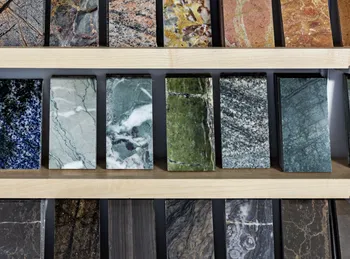
Architects, designers and contractors often rely on both digital and physical samples when selecting Turkish marble, travertine, limestone, granite and onyx for their projects. Each method serves a different purpose, and understanding their strengths helps ensure better material decisions.
Before diving deeper, you may want to review: Introduction to Turkish Natural Stones
When Digital Samples Are Useful
Digital samples are fast, accessible and ideal in the early stages of design. They’re especially useful when comparing multiple marble or travertine options from a distance.
- Quick visual reference for color tone and general veining
- Easy sharing with clients or project teams
- Helpful during conceptual design and mood board creation
For example, digital previews of grey Turkish marbles or beige marbles often provide enough clarity to begin narrowing down choices.
Limitations of Digital Samples
Natural stone cannot be perfectly represented on a screen. Colors vary between monitors, and fine textures such as crystalline structure or porosity are difficult to judge digitally.
Digital samples also cannot provide information about:
- Surface finish (polished, honed, brushed, etc.)
- Gloss level or reflection behavior
- Tactile qualities
- Thickness or edge finishing
To understand finishes better, see: Natural Stone Finishes: Polished, Honed, Brushed & Tumbled
When Physical Samples Are Necessary
Physical stone samples provide the most reliable representation of the final material. They should always be used before final approval, especially for premium marbles, high-variation stones and onyx.
Physical samples allow you to evaluate:
- True color and shading
- Vein movement and grain structure
- Surface finish and gloss level
- Edge details and fabrication options
This is critical for stones such as:
- Milas Lilac, Isparta Pink and other colorful marbles
- Vein-cut travertine with directional movement
- High-translucency onyx for backlit applications
Digital Samples Are Not a Substitute for Final Approval
The most common workflow combines both methods:
- Use digital samples to shortlist materials.
- Order physical samples for final verification.
- Request real-production photos once the order begins.
For production-stage verification, see: Photo & Video Reporting from Turkish Stone Factories
Conclusion
Digital samples are excellent for initial design work, but physical samples remain essential for accurate selection of marble, travertine, limestone, granite and onyx. Combining both ensures the most reliable decision-making process for international stone projects.
Need Stone Samples for Your Project?
Atlas Natural Stones provides both digital previews and physical samples of all Turkish stone selections.
Quick Contact
Send us your project details or stone inquiries and we will respond as soon as possible.