
Common Defects in Marble & Travertine and How to Avoid Them
Natural stones like marble and travertine are widely used in premium architectural projects because of their beauty and long-term durability. However, as these materials are extracted, cut, and processed, certain defects may appear. Understanding these issues helps architects, contractors, and buyers make informed decisions when sourcing from a Turkish natural stone supplier.
1. Natural Fissures
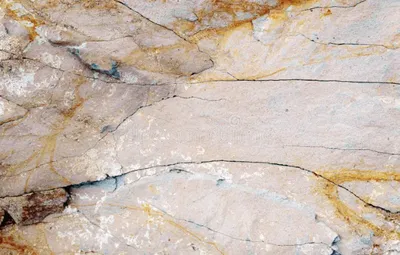
Fissures are small, naturally occurring lines inside the stone. They are not structural cracks but can affect the visual continuity of slabs. These are commonly found in travertine and some varieties of Turkish marble such as Tundra Grey or Milas types.
How to avoid:
- Request high-resolution slab photos from your supplier.
- Confirm acceptance criteria based on project standards.
- Choose a reliable exporter like Atlas Natural Stones.
2. Cracks
Cracks may develop from quarrying or handling. They are more problematic than fissures and should be identified before processing.
How to avoid:
- Request dry-lay photos before packing.
- Inspect edge areas carefully when choosing slabs.
3. Holes & Voids (Common in Travertine)
Travertine naturally contains cavities due to its geological formation. These are filled at the factory using colored resin or cement-based fillers. Turkish Denizli Travertine is a popular stone where this applies.
How to avoid:
- Select premium grade travertine for fewer holes.
- Confirm whether the finish should be filled or unfilled.
For more on travertine types, see Denizli Travertine Overview.
4. Color Inconsistency
Natural stone color varies between blocks and even within the same quarry. Beige, white, grey, and colored marble types all display natural movement.
How to avoid:
- Request consistent lot selection from the supplier.
- Ask for reference samples to verify tones.
5. Resin Pooling & Over-Filling
Many marbles are resin-treated to strengthen the surface. Poorly applied resin creates cloudy or glossy patches.
How to avoid:
- Choose factories with advanced resin lines.
- Compare multiple slab photos before approving production.
6. Uneven Surface Finishes
Polished, honed, brushed, and tumbled stones may show differences in gloss or texture if processed inconsistently.
Learn more about finishes: Natural Stone Finishes Guide .
Final Recommendations
Sourcing from a trusted Turkish marble and travertine exporter is the most effective way to reduce defects and ensure consistent project quality. Atlas Natural Stones works closely with leading factories to provide accurate information, updated photos, and reliable quality control.
Explore our full product selection here: View All Natural Stones