
Best Practices for Storing Natural Stone on Construction Sites
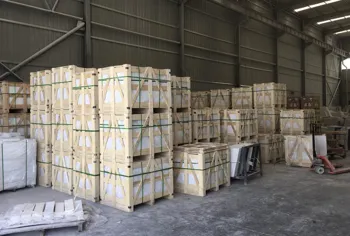
Proper storage of marble, travertine, limestone, granite and onyx on construction sites is crucial to prevent damage, moisture absorption, warping, staining and breakage. Turkish natural stone is durable, but incorrect storage can compromise even premium-quality materials supplied by companies like Atlas Natural Stones.
This guide outlines the recommended techniques to keep natural stone safe until installation.
1. Store Stone on Level, Stable Ground
Always place slabs, tiles and cut-to-size pieces on flat, dry and compacted ground. Uneven surfaces can cause stress points that lead to cracking. Wooden pallets or stone crates must sit firmly without rocking.
2. Keep Stone Elevated Off the Soil
Natural stone should never be placed directly on soil. Moisture from the ground can be absorbed by travertine, limestone and certain light marbles, causing staining or warping.
- Use wooden pallets
- Use raised steel or concrete platforms
- Ensure water drainage around the storage area
For more on stone moisture behavior, see: Porosity, Absorption & Moisture in Natural Stone
3. Protect Stone from Rain and Direct Sun
Covering stone is essential, especially polished marble and onyx. Use breathable covers rather than plastic sheets that trap condensation.
Do not store slabs in full sun for extended periods. Uneven heating may cause tension within the stone, particularly in darker marbles and granite.
4. Keep Slabs Upright at the Correct Angle
Slabs must be stored vertically using A-frames or metal racks, typically at a 10–15° inclination. This prevents tipping and distributes weight evenly.
- Use strong A-frames rated for stone weight
- Avoid leaning slabs against walls, which is unsafe
- Use wooden separators between slabs to avoid scratching
5. Store Tiles Flat in Properly Packed Crates
Tiles and cut-to-size pieces should remain in their original sealed crates until installation. Opening crates too early exposes stone to dust, moisture and accidental impact.
To understand how stone is packed before delivery, see: Crates, Bundles & Pallets: Packing Systems for Natural Stone
6. Separate Different Materials
Marble, travertine, limestone and granite should be stored separately. Each stone behaves differently in heat, moisture and pressure.
For example:
- Travertine is more porous and must be protected from moisture
- Dark marbles may warp under prolonged heat
- Limestone needs breathable covers to prevent yellowing
7. Maintain Clear Labeling
Label crates with stone type, finish, thickness and location of use. This helps avoid installation errors and unnecessary handling.
8. Avoid Excessive Handling
Move stone only when necessary. Each movement increases the risk of chipping, cracking or edge damage.
9. Keep the Storage Area Clean and Organized
Dust, sand and debris can scratch polished and honed surfaces. A clean site also reduces accidents when moving crates and slabs.
Conclusion
By following these storage practices, construction teams ensure that Turkish marble, travertine, limestone, granite and onyx arrive at the installation phase in perfect condition. Combined with high-quality supply from trusted exporters, good storage procedures help guarantee long-lasting and beautiful results.
Need Stone for Your Next Project?
We supply a full range of Turkish marble, travertine, limestone, granite and onyx for global architectural projects.
Quick Contact
Send us your project details or stone inquiries and we will respond as soon as possible.