Understanding Vein Direction in Marble & Travertine
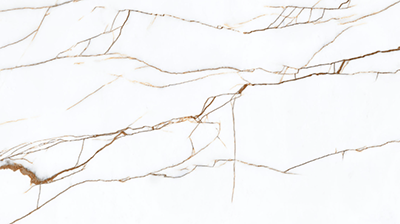
The way a block of marble or travertine is cut in relation to its natural veining has a huge impact on the final appearance of floors, walls and façades. Understanding vein direction helps architects, designers and contractors make better decisions when working with Turkish natural stone.
In this article we focus on vein direction, especially for travertine and veined marbles, and explain how “cross-cut” and “vein-cut” choices change the look of your project. For a broader overview of travertine products, see Denizli Travertine Overview: Classic, Noce, Silver, Ivory & Walnut and the more detailed comparison in Cross-Cut vs Vein-Cut Travertine from Turkey.
1. What Is Vein Direction?
Inside a marble or travertine block, you can imagine layers or “veins” running in a certain direction. These bands may be straight, wavy or irregular. When the block is sawn parallel or perpendicular to those layers, the surface pattern changes dramatically.
- Vein-cut: the saw cuts parallel to the veining, emphasizing long, linear stripes.
- Cross-cut: the saw cuts perpendicular to the veining, creating more cloud-like or mottled patterns.
Many Turkish stones can be supplied either way, especially travertines like classic Denizli travertine and Silver travertine, as well as some layered marbles.
2. Vein Direction in Travertine
Travertine has a naturally banded structure, which makes vein direction particularly visible. In vein-cut travertine, bands run along the length of the tile, giving a strong directional visual that works well in corridors, linear façades and feature walls. In cross-cut travertine, the same stone appears much softer and more uniform.
When selecting travertine from a Turkish stone supplier, it is important to specify not only the color (Classic, Noce, Silver, Ivory, Walnut) but also whether you want cross-cut or vein-cut, especially for large areas.
3. Vein Direction in Veined Marbles
Many Turkish marbles, such as Tundra Grey, Savana Grey, Milas Lilac or striped varieties like Marmara White / Marmara Equator, show clear vein direction. Designers can use this in different ways:
- Aligned veins flowing in one direction across a lobby or corridor.
- Bookmatched patterns by mirroring consecutive slabs for feature walls.
- Randomized layout for a more organic feel in residential spaces.
For more on different Turkish marble options, see the Guide to Turkish Marble Types for Global Projects.
4. Design Impact: Calm vs Dynamic Surfaces
The choice of vein direction is essentially a design decision:
- Calm surfaces: Cross-cut travertine or more homogeneous marbles for minimal, quiet interiors.
- Dynamic surfaces: Vein-cut travertine or strongly veined marbles for statement floors and walls.
In high-traffic public spaces, many designers use dynamic veins in feature areas (receptions, focal walls), while keeping the main circulation areas more neutral. This balance leverages the beauty of Turkish natural stone without overwhelming the space.
5. Practical Considerations During Production
When ordering from a Turkish marble and travertine exporter, it is important to clarify vein direction at quotation stage. The factory must orient the blocks correctly on the gang-saw, and this affects yield and production planning.
Atlas Natural Stones, Inc. can coordinate with partner quarries and factories to confirm which blocks are more suitable for cross-cut or vein-cut production, and provide photos of reference slabs for approval before mass production begins.
6. Coordinating Vein Direction on Site
Even with clear instructions to the factory, final appearance also depends on how tiles and slabs are laid on site. Installers should receive layout plans and example photos, especially for:
- Long corridors where veins should run along the length.
- Staircases, where risers and treads should visually align.
- Feature walls where bookmatched marble or onyx is used.
Good coordination between design team, supplier and installation contractor is the best way to make full use of Turkish marble and travertine veining. For general advice on selecting the right stone, see Choosing Between Marble, Travertine, Limestone and Granite.
Need Help Deciding on Vein Direction?
Share your drawings, layouts and target look. Atlas Natural Stones, Inc. can review your project and suggest the best combination of cross-cut or vein-cut travertine and veined marbles from Turkey.