
Creating 3D Visualizations with Turkish Stone Textures
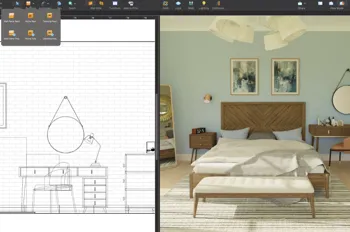
High-quality 3D visualizations are now essential in architectural design, interior design, real estate marketing and hospitality planning. When working with Turkish marble, travertine, limestone, granite and onyx, accurate texture representation is crucial to achieving realistic previews and helping clients make material decisions.
Before proceeding, you may also find this helpful: Introduction to Turkish Natural Stones
The Importance of Accurate Stone Textures
Natural stone is highly variable. Therefore, any rendering process must use textures that accurately reflect the true veining, tone and movement of the selected material.
For example, stones such as Tundra Grey or Savana Grey have soft, cloud-like movement that needs large-format texture maps, while colorful marbles like Milas Lilac or Elazığ Cherry require clear veining detail to look realistic in 3D scenes.
Best Practices When Using Turkish Stone Textures
- Use real slab scans or high-resolution photos when possible.
- Select seamless textures for floors and large wall areas.
- Ensure color calibration is correct across software and monitors.
- Use PBR materials when available — diffuse, normal and roughness maps.
- Match scale accurately: marble slabs differ from tiles.
This is especially important for materials like travertine, which includes voids and patterns that must scale properly when placed in architectural spaces.
Rendering Bookmatched Stones
For dramatic feature walls, 3D artists often simulate bookmatched marble or onyx. This effect requires mirrored texture maps and a large surface area to maintain visual flow.
Learn more here: Bookmatched Marble & Onyx Feature Walls
Using Travertine, Limestone and Basalt Textures
Not all stones behave like marble in renders. Travertine may be vein-cut or cross-cut, which significantly affects the linearity or cloudiness of its appearance.
For clarity: Cross-Cut vs Vein-Cut Travertine
Limestone textures typically require softer contrast and more uniformity, while basalt and andesite used in exterior landscapes need roughness and non-reflective surfaces.
Textures for 3D Countertops and Vanity Tops
When rendering kitchens or bathrooms, it is essential to use large seamless textures to avoid repeating patterns. Stones like Afyon White, Mugla White and Burdur Beige look most realistic when mapped across full-size counters without visible tiling.
See also: Countertops & Vanity Tops in Turkish Marble & Granite
Conclusion
High-quality 3D visualizations help clients understand how Turkish marble, travertine, limestone, granite and onyx will look in real applications. Using accurate textures enhances credibility, reduces misunderstandings and speeds up decision-making — especially for international projects.
Need High-Resolution Stone Textures?
Atlas Natural Stones provides real slab photos and high-quality textures upon request for architects, designers and 3D visualization studios.
Quick Contact
Send us your project details or stone inquiries and we will respond as soon as possible.